

When people choose a hoodie, comfort is usually one of the first things they consider. A good hoodie should feel soft against the skin, provide enough warmth, and remain comfortable during long hours of wear. The essentials hoodie has become popular because it combines a relaxed appearance with everyday comfort, making it suitable for casual outfits, travel, and cooler weather.
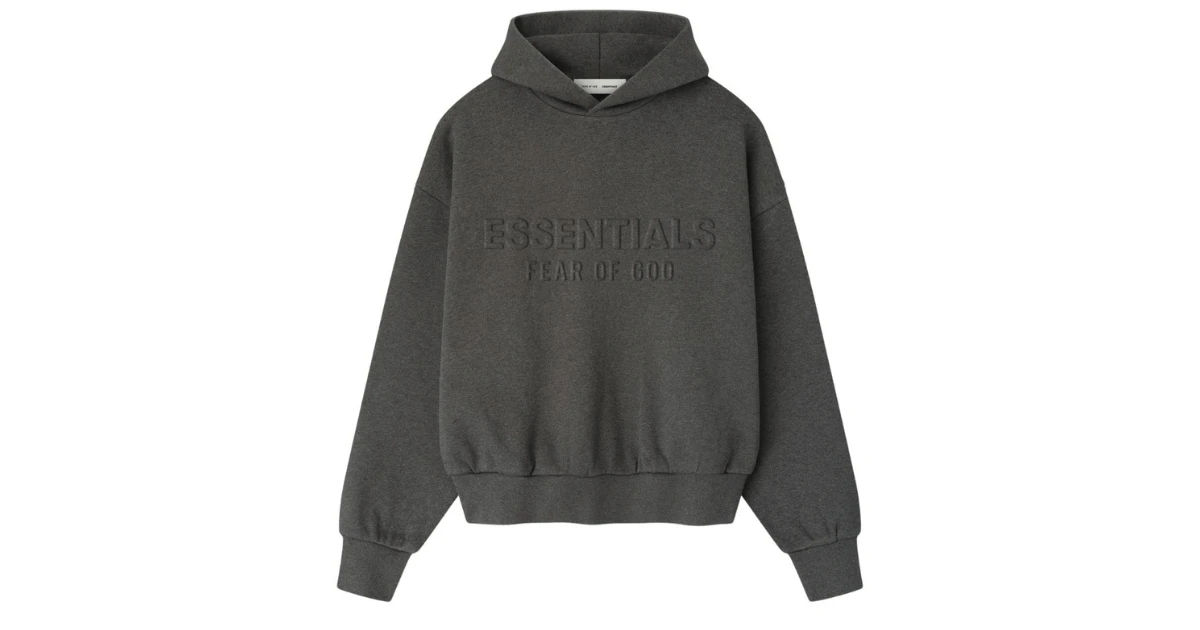
Quality and comfort are closely connected when it comes to hoodies. Fabric choice, construction, weight, fit, stitching, and finishing details can all affect how comfortable a garment feels. A hoodie may look fashionable, but if the material feels rough or the fit is restrictive, it may not be enjoyable to wear for extended periods.
The essentials hoodie is generally designed around a relaxed, casual feel. Its appeal comes from its simple appearance and emphasis on everyday wear rather than complicated styling. However, comfort can still vary depending on the specific model, fabric composition, size, and personal preferences. Understanding these factors can help shoppers decide whether it is the right choice for them.
What Makes a Hoodie Comfortable?
Comfort is not determined by one feature. Several elements work together to create a hoodie that feels pleasant to wear.
Fabric Quality
The fabric is one of the most important factors. A high-quality hoodie should have a soft and comfortable surface while offering enough structure to maintain its shape.
Cotton-based fabrics are often appreciated for their softness and breathability. Some hoodies also use synthetic fibers or blended materials to improve durability, shape retention, or resistance to shrinking.
The ideal fabric depends on the season and the wearer's preferences. A heavier fabric can feel warm and substantial in cold weather, while a lighter material may be more suitable for mild temperatures.
Interior Feel
The inside of a hoodie can make a significant difference in comfort. Some designs have a smooth interior, while others feature a brushed or fleece-like surface.
A soft interior can create a warmer and more comfortable experience, especially during colder months. It can also make the garment easier to wear over a simple T-shirt.
If someone plans to wear a hoodie for several hours, the interior texture is particularly important. Rough or overly stiff fabric may become irritating with prolonged use.
Is the Essentials Hoodie Soft?
Softness is one of the reasons many people are attracted to premium casual hoodies. A well-made garment should feel comfortable without being excessively heavy or scratchy.
The level of softness can depend on the fabric and the individual garment. Some people prefer a very soft fleece interior, while others like a slightly structured fabric that feels more substantial.
It is also important to remember that softness does not automatically mean high quality. Extremely soft fabric can sometimes lose its texture after repeated washing. A quality hoodie should ideally balance softness with durability.
How Does the Fit Affect Comfort?
Even excellent fabric cannot compensate for an unsuitable fit. A hoodie that is too small may feel restrictive around the shoulders, chest, or arms.
On the other hand, an excessively large hoodie can feel heavy and inconvenient. Sleeves may cover the hands, while excess fabric can make movement less comfortable.
Relaxed Fit
A relaxed fit is often preferred for casual clothing because it allows greater freedom of movement. It can also make layering easier.
A relaxed hoodie works well with T-shirts, lightweight jackets, and other casual pieces. This makes it useful for people who want one garment that can work across different everyday situations.
Choosing the Right Size
Size selection should be based on the intended appearance and personal comfort. Someone who prefers a clean silhouette may choose their regular size, while someone who wants an oversized appearance may prefer a larger option.
However, sizing should not be based only on appearance. Shoulder width, sleeve length, body length, and overall proportions should also be considered.
Is the Essentials Hoodie Comfortable for Everyday Wear?
For everyday use, comfort is especially important because a hoodie may be worn for many hours at a time.
An essentials hoodie can be suitable for casual activities such as running errands, meeting friends, traveling, studying, or relaxing at home. Its simple design can also make it easy to combine with jeans, sweatpants, cargo trousers, or casual sneakers.
The practical advantage of a versatile hoodie is that it does not require much effort to style. It can become a reliable part of a casual wardrobe without demanding complicated outfit planning.
Comfort also matters when traveling. A hoodie can provide an additional layer on airplanes, in cars, or during outdoor activities when temperatures change throughout the day.
Warmth and Breathability
A comfortable hoodie needs to provide warmth without becoming unpleasantly hot.
Heavier fabrics are useful during colder seasons because they can provide insulation. However, they may feel too warm indoors or during physical activity.
Lighter hoodies can offer greater versatility. They can be worn during cool spring evenings, mild autumn days, or as an extra layer beneath a jacket.
Cold Weather Performance
In colder conditions, a thicker hoodie can work effectively as a middle layer. Pairing it with a jacket can create additional protection against low temperatures.
The hood itself can also provide some extra coverage around the neck and head. While it is not a replacement for a proper winter coat, it can add useful warmth.
Mild Weather Performance
During mild weather, a lightweight hoodie can be worn without a heavy outer layer. This makes it a practical option for early mornings and evenings when temperatures are lower.
The right balance between weight and breathability can make the garment useful across multiple seasons.
Does Hoodie Construction Affect Comfort?
Yes. Construction quality has a direct effect on how a hoodie feels and how long it remains comfortable.
Strong stitching can help prevent seams from opening after repeated wear. Properly finished cuffs can help sleeves maintain their shape, while a well-constructed waistband can provide a secure fit without excessive pressure.
The hood should also be considered. A poorly designed hood may feel heavy around the neck or fall awkwardly when worn. A well-proportioned hood should sit naturally and provide coverage without creating unnecessary discomfort.
Pockets are another practical detail. A front pocket can provide a convenient place for hands or small items, but its position and construction should not make the garment feel bulky.
Durability and Long-Term Comfort
A hoodie that feels comfortable on the first day but deteriorates quickly may not provide good long-term value.
Durability depends on the fabric, stitching, construction, and care routine. Repeated washing, excessive heat, and improper drying can affect the appearance and feel of almost any garment.
A quality hoodie should ideally maintain its shape and softness after regular use. Small changes over time are normal, but major shrinkage, excessive pilling, or stretched cuffs may indicate that the garment is not being maintained properly or that its materials are not suited to heavy use.
How to Care for an Essentials Hoodie
Proper care can help preserve both comfort and appearance.
Follow the Care Label
The manufacturer's care instructions should always be checked before washing. Different fabrics require different temperatures and washing methods.
Using an unnecessarily high temperature can cause shrinkage or affect the texture of the fabric.
Avoid Excessive Heat
High heat from dryers can be damaging to some hoodie materials. Air drying or using a lower-temperature setting may help maintain the garment's shape.
Do Not Overwash
A hoodie does not necessarily need to be washed after every short period of wear if it has not become dirty or sweaty. Washing less frequently can help preserve fabric quality.
When washing is necessary, turning the hoodie inside out can also help protect its outer surface.
Comfort During Different Activities
A hoodie can serve different purposes depending on how it is worn.
For casual walking, shopping, or social activities, comfort and appearance are usually equally important. A relaxed design can provide freedom of movement while maintaining a polished casual look.
For studying or working from home, softness becomes especially important. A comfortable hoodie can be worn for several hours without requiring constant adjustment.
For outdoor activities, fabric weight and breathability matter more. A heavy hoodie may provide warmth but could become uncomfortable during intense movement.
For travel, versatility is particularly valuable. A hoodie that can be worn over different shirts and beneath a jacket can reduce the need to carry multiple layers.
Styling Without Sacrificing Comfort
Comfort does not mean an outfit has to look careless. A well-fitting hoodie can create a clean and modern casual appearance.
For a simple everyday outfit, pair a neutral hoodie with straight-leg jeans and sneakers. This combination is easy to wear and works in many casual settings.
For a relaxed streetwear-inspired look, combine an essentials hoodie with loose trousers or cargo pants. Sneakers can complete the outfit without making it overly complicated.
Layering is another useful approach. Wearing a hoodie underneath a casual jacket can add warmth and create visual depth.
Accessories should remain simple if the goal is a clean appearance. A cap, basic watch, or understated bag can complement the outfit without overwhelming it.
Who Should Consider an Essentials Hoodie?
People who value simple styling and everyday versatility may find this type of hoodie particularly useful.
It can be a good option for students, travelers, casual workers, and anyone who prefers comfortable clothing for daily activities. Its uncomplicated design can also make it easy to integrate into an existing wardrobe.
However, no hoodie is perfect for everyone. Someone who lives in a very warm climate may prefer lightweight clothing, while a person working outdoors in freezing temperatures may need specialized insulated outerwear.
Personal preference also matters. Some people prefer fitted garments, while others enjoy oversized silhouettes. Comfort is subjective, so the best choice depends on the individual's expectations.
What Should You Check Before Buying?
Before purchasing an essentials hoodie, consider several factors instead of focusing only on its appearance.
First, check the fabric composition. Understanding the material can help you estimate its softness, warmth, and maintenance requirements.
Next, examine the sizing information. Do not automatically assume that your usual size will provide the exact fit you want.
Pay attention to the garment's weight. A heavier hoodie may be excellent for winter but less practical in warmer environments.
You should also consider how frequently you plan to wear it. If it will become a regular part of your wardrobe, durability and easy care become more important.
Finally, consider whether the design matches your existing clothes. A versatile color and simple silhouette can provide more outfit possibilities.
Quality Versus Price
Price alone does not determine quality. An expensive hoodie is not necessarily more comfortable than every cheaper alternative.
Instead, shoppers should evaluate the complete package. Fabric quality, construction, fit, durability, design, and care requirements all contribute to the overall value.
If a hoodie remains comfortable, maintains its shape, and works with many outfits over a long period, it may provide better value than a cheaper garment that needs to be replaced frequently.
The key is to think about cost in relation to use. A person who wears a hoodie several times each week may benefit more from investing in a durable garment than someone who only wears one occasionally.
Common Comfort Mistakes
One common mistake is choosing a size based entirely on how oversized a hoodie looks in photographs. Different body shapes can produce different results.
Another mistake is ignoring the fabric weight. A very thick hoodie may not be comfortable in a climate where temperatures frequently rise.
Some people also overlook care instructions. Washing a garment incorrectly can reduce softness and shorten its useful life.
Finally, shoppers sometimes focus too much on branding and not enough on practical features. Comfort should remain a major consideration regardless of the label.
Conclusion
So, is an essentials hoodie comfortable? In general, a well-made hoodie with suitable fabric, a comfortable fit, and proper construction can provide an excellent everyday wearing experience.
Its comfort depends on more than the name or appearance. Fabric texture, interior finish, garment weight, sizing, stitching, and personal preferences all influence how it feels.
For casual wear, studying, traveling, relaxing, and everyday outings, a quality hoodie can be an especially versatile choice. The relaxed nature of the design allows easy movement, while the additional layer provides useful warmth during cooler conditions.
The most important step is choosing the right size and material for your needs. Someone who prefers lightweight clothing should look for a thinner construction, while someone who wants warmth may appreciate a heavier fabric.
Proper care is equally important. Following washing instructions, avoiding unnecessary heat, and treating the garment carefully can help preserve its softness and shape.
Ultimately, comfort is personal, but a thoughtfully constructed hoodie can successfully combine softness, practicality, warmth, and everyday style. If you value simple clothing that can be worn in many situations, this type of hoodie can be a worthwhile addition to a casual wardrobe.
The best clothing is not simply the piece that looks good when you first put it on. It is the piece that continues to feel comfortable after hours of wear, works with different outfits, and maintains its quality over time. That combination of practical comfort and easy styling is what makes a quality hoodie appealing for everyday life.